Inside the iPhone 18 Pro: Teardowns Reveal Battery Capacities, Regional Variations, and Rising Repair Costs

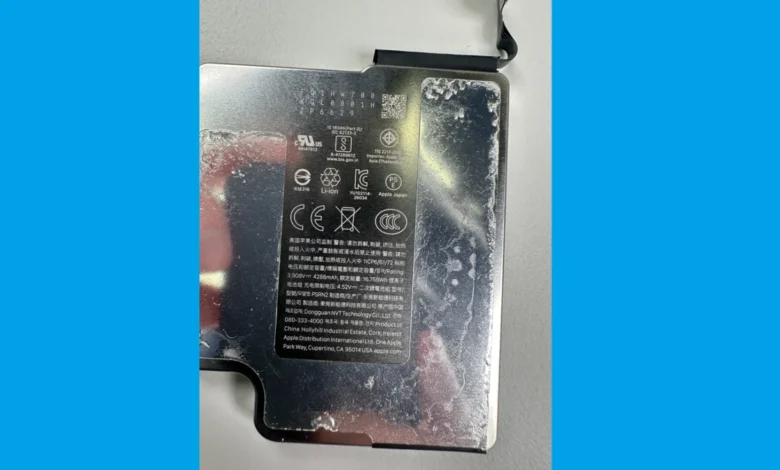
The intricacies of Apple’s flagship smartphone hardware continue to capture the attention of the tech industry as hardware analysts and repair advocates publish detailed findings regarding the iPhone 18 Pro. While Apple maintains its traditional practice of omitting precise milliampere-hour (mAh) ratings from its official marketing and technical specifications—instead relying on broad usage metrics such as video playback hours—independent teardowns and regulatory filings have filled in the gaps. Recent analysis conducted by repair platform iFixit, combined with mandatory European Union energy efficiency documentation, has shed light on the exact battery specifications, regional design discrepancies, and shifting financial commitments associated with owning and maintaining Apple’s latest high-end devices.
Unpacking the Hardware: The iFixit Teardown Findings
Apple has long adhered to a marketing strategy that emphasizes user experience metrics over raw component figures. On the corporate website and during keynote presentations, battery longevity is routinely translated into real-world applications, such as up to 45 hours of video playback on select configurations, rather than numerical battery capacities. This approach keeps consumer focus on efficiency and longevity rather than numbers that vary by region or internal architecture.
However, curiosity regarding the physical components inside the hardware is inevitably satisfied by post-launch teardowns. According to the latest analysis shared by iFixit with industry publications, the North American variant of the iPhone 18 Pro houses a 4,288mAh battery. When juxtaposed against the eSIM-only variant of the preceding iPhone 17 Pro, this represents a modest 1% incremental increase over last year’s 4,252mAh capacity.
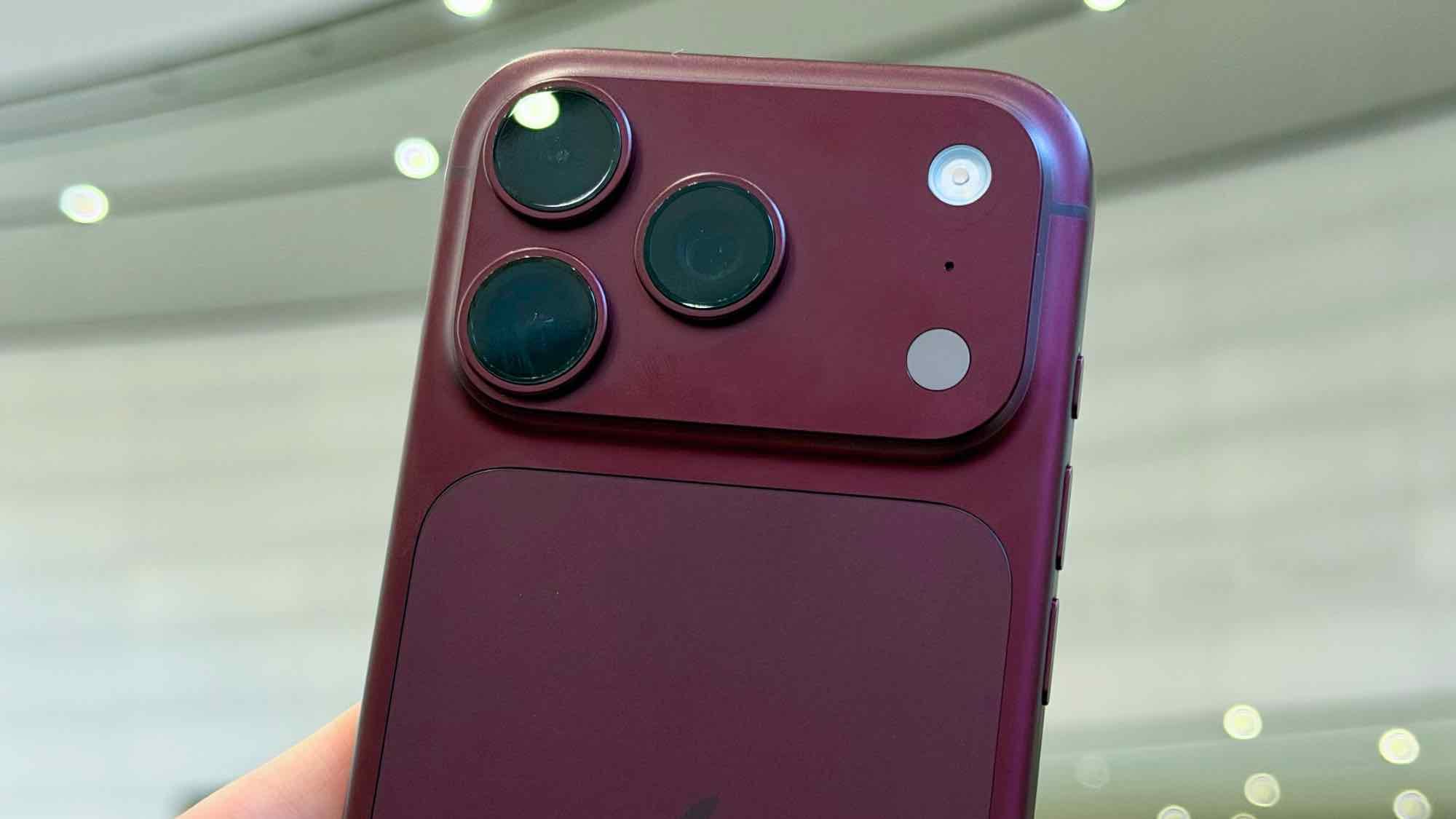
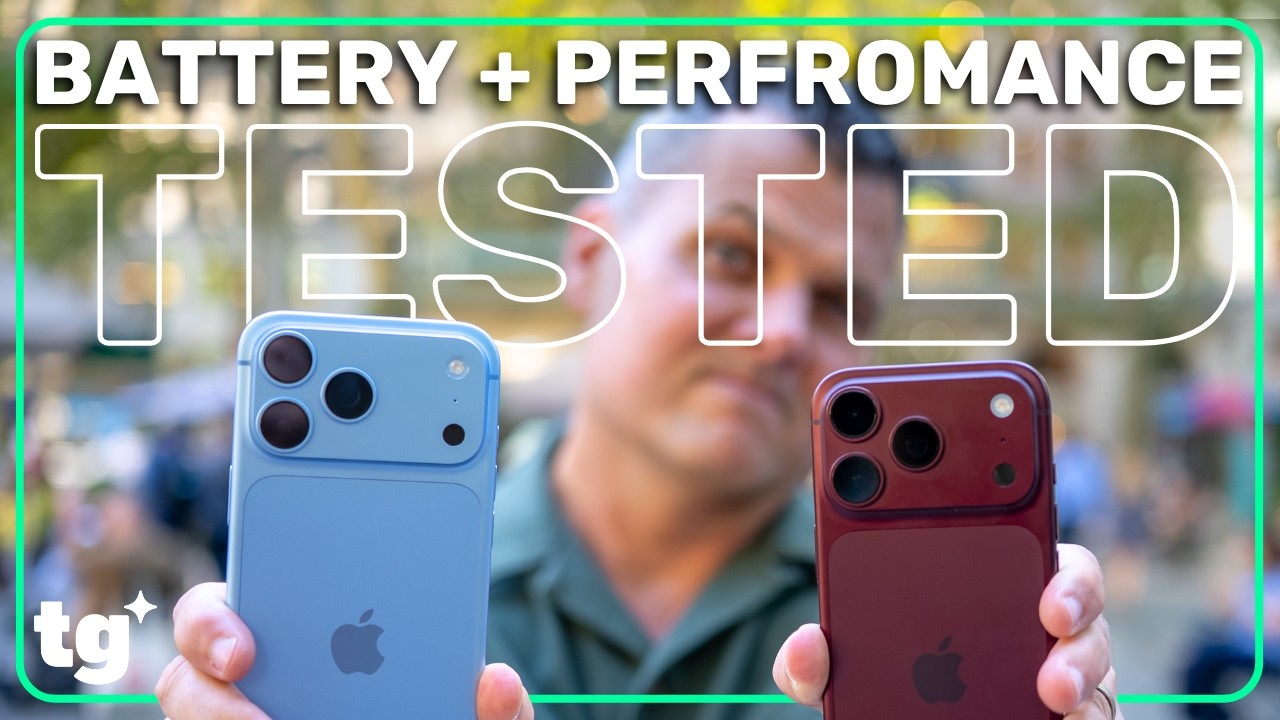
Despite the seemingly marginal physical increase in energy storage, real-world testing demonstrates notable performance gains. Benchmark evaluations indicate that the 1% larger battery capacity, combined with the architectural efficiency of the newly integrated A20 Pro chip, translates to an additional hour of sustained battery life. Where the previous generation managed approximately 15 hours and 17 minutes of continuous benchmark testing, the iPhone 18 Pro pushes that threshold to 16 hours and 17 minutes. This efficiency underscores Apple’s ongoing emphasis on silicon optimization, allowing the device to extract greater performance and endurance from incremental hardware changes.
Regional Discrepancies: North America Versus Europe
An unexpected revelation emerging from the post-launch analysis involves a distinct divergence in battery capacity between models manufactured and distributed for different geographic markets. While iFixit’s teardown focused on North American units, official regulatory documentation reveals alternate specifications for the European market.
Under current European Union regulatory frameworks, electronic devices of this class are subject to strict transparency mandates, requiring publicly accessible Energy Labels that clearly articulate essential performance and hardware details, including exact battery capacities. Review of these official EU filings demonstrates that the European iteration of the iPhone 18 Pro is equipped with a 4,056mAh battery, while the larger iPhone 18 Pro Max features a 5,391mAh capacity.
Industry analysts attribute these structural and volumetric differences primarily to regulatory and telecommunications variations between regions. Most notably, European versions of the iPhone line continue to feature physical SIM card slots, whereas North American models have transitioned entirely to an eSIM-only architecture. The inclusion of physical card readers and their associated internal brackets alters the interior spatial layout of the device, necessitating adjustments to battery dimensions and overall capacity. Consequently, consumers should note that hardware performance, repairability nuances, and internal layouts may subtly differ depending on the market of purchase.
Economic Realities: Rising Costs for Out-of-Warranty Maintenance
Beyond the physical composition and energy efficiency of the new devices, the post-launch period has brought financial adjustments to light regarding device ownership and post-purchase maintenance. Alongside the baseline price increases applied to the iPhone 18 Pro lineup—which saw a $100 price hike for the introductory 256GB storage configuration—Apple has quietly adjusted its service fees for out-of-warranty hardware interventions.
According to updated service pricing documentation, customers requiring a standard battery replacement for an iPhone 18 Pro outside of the initial warranty window will now face a charge of $129, plus applicable local taxes. This reflects a $10 increase compared to the out-of-warranty battery repair cost established for the previous generation iPhone 17 Pro.
While other standard hardware repair categories have largely remained flat—though maintaining historically high price points across the board—the upward drift in battery service fees mirrors pricing adjustments seen during previous product cycles. Notably, the last instance in which Apple implemented a similar price elevation for battery servicing coincided with the launch of the iPhone 16 Pro, a generation that also experienced broader structural retail price adjustments.
These incremental increases in repair costs serve to reshape the financial calculus for consumers evaluating extended protection plans. High standalone repair costs reinforce the value proposition of supplementary protection programs such as AppleCare+, which mitigate the immediate financial impact of accidental damage, component degradation, and out-of-warranty service needs. For users planning to retain their hardware across multi-year upgrade cycles, the shifting cost landscape of component maintenance highlights the growing importance of comprehensive device insurance.
Industry Implications and Future Outlook
The convergence of incremental battery enhancements, advanced silicon design, regional hardware adaptations, and rising service costs highlights the complex balancing act modern smartphone manufacturers face. As mobile processors handle increasingly demanding computational workloads—ranging from advanced on-device artificial intelligence tasks to high-fidelity mobile gaming—the demand for power efficiency has never been higher.
Apple’s strategy relies heavily on the synergistic relationship between custom silicon and battery chemistry. By squeezing an additional hour of operational endurance out of a battery that is physically only 1% larger, the company demonstrates that software and hardware co-design remains the primary avenue for generational progress, rather than simply enlarging physical cell sizes within increasingly constrained chassis dimensions.
At the same time, the divergence in regional battery specs due to regulatory and structural constraints—such as the persistence of physical SIM slots in Europe versus the total adoption of eSIM in North America—illustrates the logistical challenges of global product standardization. As regulatory bodies worldwide continue to enforce stricter transparency, right-to-repair guidelines, and environmental labeling, manufacturers will likely face mounting pressure to standardize disclosures and streamline component availability across international borders.
Ultimately, the iPhone 18 Pro represents an evolutionary step in Apple’s product lineage. While the physical modifications to power storage are subtle, the combined benefits of the A20 Pro architecture ensure tangible gains for the end user. However, these technological advancements are paired with economic adjustments that require consumers to factor both upfront retail prices and long-term maintenance costs into their purchasing decisions. As teardown specialists and regulatory databases continue to unpack the nuances of each annual hardware release, the tech community gains a clearer view of the delicate engineering and economic compromises required to build the world’s most ubiquitous consumer electronics.